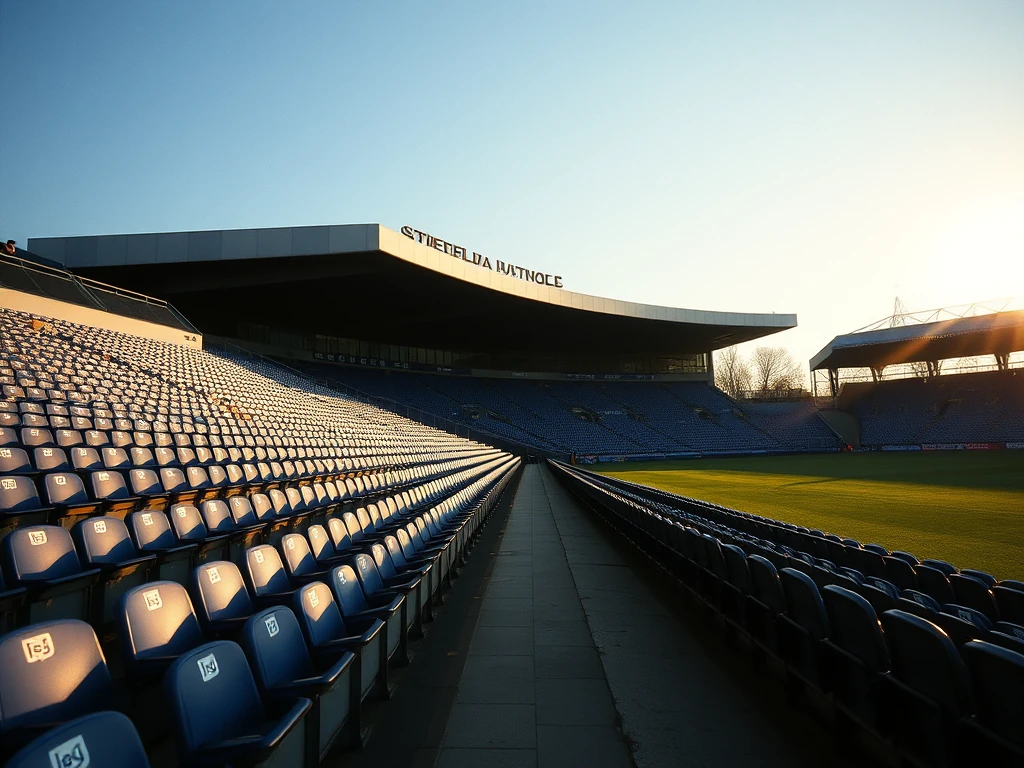

With the shadows of financial turmoil and neglect looming over Sheffield Wednesday, new head of football operations David Bruce is determined to turn the tide. In a recent interview, Bruce emphasized the importance of placing the fans at the core of all club activities, a strategy that aims to heal the rifts caused by previous mismanagement. As the club works to recover from a tumultuous period under former owner Dejphon Chansiri, the focus now shifts to rebuilding not just the squad, but the entire community surrounding the Owls.
The Current Landscape: Financial Struggles and Rebuilding
Sheffield Wednesday has faced significant challenges over the past few years, with financial woes leading to a decimated squad, a deteriorating stadium, and inadequate training facilities. The transition from Chansiri's ownership has been anything but smooth, but Bruce is keen to usher in a new era.
- Financial instability: The club's financial problems have resulted in a lack of investment in both player acquisitions and infrastructure.
- A decimated squad: Many key players have left, leaving the team struggling to compete effectively.
- Facility issues: The Hillsborough Stadium and training ground have suffered from neglect, impacting player development and fan experience.
Bruce's approach isn’t solely about numbers or tactics; it’s about reconnecting with the fanbase that has felt alienated. He acknowledges that every decision made must resonate with the supporters, who are the lifeblood of the club.
A Fan-Centric Vision
What does it mean to have the fan at the heart of Sheffield Wednesday? According to Bruce, it means prioritising transparency, engagement, and inclusivity. He aims to foster a culture where fans feel valued and heard. This strategy can significantly alter the club's trajectory, both on and off the pitch.
- Community engagement: Initiatives to involve fans in decision-making could lead to a more invested and passionate supporter base.
- Improving matchday experience: Enhancing the atmosphere at Hillsborough through better facilities and services will attract more attendees.
- Youth outreach: Creating programs that engage younger fans will help build a future generation of supporters.
These efforts could be crucial in transforming Sheffield Wednesday into a club that not only competes but thrives within the EFL Championship. Bruce understands that the road ahead is long, but he’s committed to making strides toward a more inclusive environment.
What This Means for Sheffield Wednesday
The implications of Bruce's vision extend beyond the immediate goals of squad improvement. For the fans, this represents a chance to reclaim a sense of ownership and pride in their club. Many supporters have felt sidelined, particularly during Chansiri's tenure. By prioritising fan engagement, Bruce is laying the groundwork for a more united front.
Fans can expect to see initiatives that encourage their participation in club activities, from fan forums to community outreach programs. This shift could reinvigorate the Owls' fanbase, transforming matchdays into celebrated occasions rather than routine obligations. The emotional connection between the club and its supporters stands to be strengthened, fostering a sense of belonging that has been missing.
The Wider Championship Picture
As Sheffield Wednesday navigates its path back to stability, it’s essential to consider the broader context of the EFL Championship. The league is notoriously competitive, with clubs investing heavily in player recruitment and facilities. The Owls must adapt quickly to this evolving landscape to avoid being left behind.
- Increased competition: Teams like Burnley and West Bromwich Albion have shown that strategic investment can yield immediate results.
- Player recruitment: The need for astute signings will be paramount if Wednesday aims to climb the table.
- Financial health: Ensuring sustainable financial practices will be vital in maintaining competitiveness without falling into the same traps that led to previous downfalls.
Critics will argue that simply focusing on fan engagement won’t solve the pressing issues on the pitch. They assert that without immediate investment in quality players and infrastructure, the club's ambitions could remain just that-ambitions. However, Bruce’s holistic approach suggests a long-term strategy that prioritises stability and growth.
Fan Reaction and Outlook
The initial reaction from fans to Bruce's vision has been largely positive. Many supporters have expressed relief at the club's shift towards prioritising their interests. Social media platforms buzz with discussions about the potential for a more connected and engaged fanbase, with many hopeful that this new direction could spell the end of the club's recent struggles.
- Increased optimism: There’s a renewed sense of hope among supporters who believe their voices will be heard.
- Community initiatives: Fans are eager to see tangible changes in how the club interacts with them.
- Long-term vision: Supporters appreciate the emphasis on sustainable practices rather than quick fixes.
However, patience will be required. Real change takes time, and while Bruce’s vision is promising, it’s essential that both fans and the club remain committed to this new chapter together.
What’s Next
Moving forward, Sheffield Wednesday faces a critical period of rebuilding and re-engagement. Bruce’s commitment to placing fans at the heart of all decisions is a bold step in the right direction, but it must be backed up by action. Expect to see developments in community programs and fan engagement initiatives as the club looks to forge stronger connections with its supporters.
As the Owls continue their journey in the EFL Championship, the focus will likely remain on creating a fan-centric club culture. If Bruce can successfully integrate the fanbase into the fabric of the club’s operations, Sheffield Wednesday could emerge as a stronger, more unified force in the league, ready to reclaim its place among the elite.